Why bathroom decor matters
Bathroom decor shapes the daily routines of millions, turning routine cleaning into a small moment of personal care. With over a decade of experience in interior styling, this guide offers practical, EEAT-conscious advice to help you choose colors, materials, lighting, and accessories that suit your space and budget.
Key elements of bathroom decor
Color schemes and mood
Color sets the tone: cool neutrals create calm, while warm tones invite coziness. For small baths, light hues expand the feel of the room, and you can add personality with accent towels, artwork, or a bold vanity front. When selecting colors, balance with fixtures (shower, sink) and ensure slip resistance of flooring.
Materials and finishes
Popular materials include porcelain and ceramic tiles, quartz countertops, glass shower enclosures, and natural stone accents. Matte finishes are on-trend for hardware, while brass or matte black fixtures add character. Choose durable, water-resistant surfaces and ensure compatibility with humidity levels.
Lighting plan
A layered approach combines ambient, task, and accent lighting. Overhead fixtures should be bright enough for grooming, while vanity lights flanking the mirror reduce shadows. Consider LED strip lighting under vanity cabinets for subtle glow and energy efficiency.
Storage and organization
Smart storage keeps counters clear: recessed shelves, tall cabinets, pull-out organizers, and baskets. In small baths, maximize vertical space with wall-mounted units and frameless mirrors to visually expand the room.
Design styles to consider
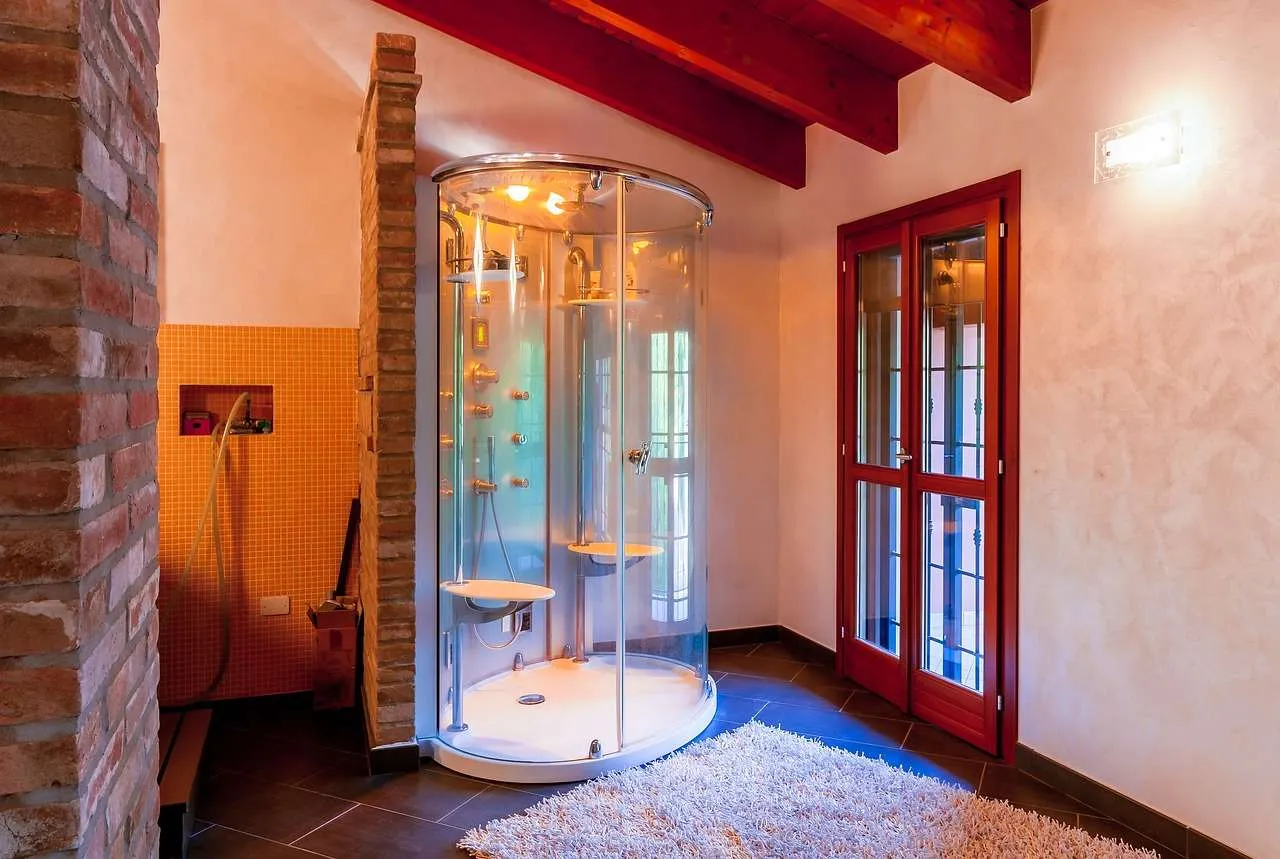
Whether you favor modern minimalism, classic elegance, or spa-inspired serenity, the core principles remain the same: clean lines, functional layout, and cohesive finishes. A modern look often relies on neutral palettes with striking hardware; a traditional style favors warm woods and layered textiles; a spa-inspired space prioritizes calm textures, muted tones, and natural materials.
Tips for small bathrooms
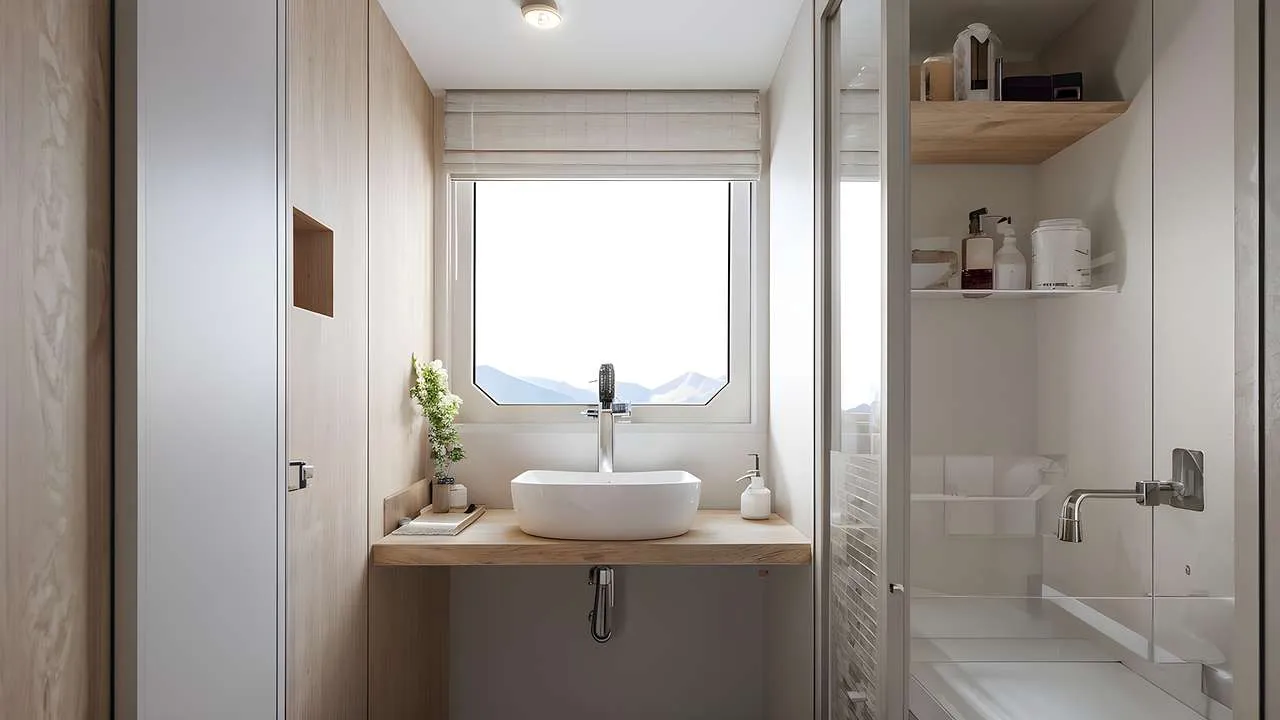
In limited spaces, choose compact fixtures, wall-hung vanities, and glass shower enclosures to reduce visual bulk. Use mirrors to reflect light, and implement pull-out organizers for daily essentials. A pale tile with a single bold accent can create depth without crowding the space.
Budgeting and planning
Plan in three tiers: essentials, enhancements, and luxury upgrades. Prioritize waterproofing, vanity quality, and lighting, then layer with accessories. When shopping, compare durability, warranty, and maintenance. Invest in timeless hardware that ages well to preserve value over time.
Maintenance and longevity
Choose easy-to-clean surfaces and seal grout regularly to prevent staining. Schedule routine checks for leaks and consider protective finishes for metals. A well-maintained bathroom decor not only looks better but lasts longer, protecting your investment.
Comparison: Budget vs Premium bathroom decor elements
| Element | Budget options | Premium options | Pros | Tips |
|---|---|---|---|---|
| Vanity | MDF or laminate with affordable countertop | Solid wood or stone with integrated lighting | Cost-effective vs longevity and resale value | Choose waterproof finishes; add soft-close hardware |
| Tiles | Ceramic or porcelain from mid-range brands | Porcelain premium grade or natural stone | Durability, ease of cleaning | Size and grout color affect perceived space |
| Faucets and hardware | Mid-range finishes, standard warranty | Designer finishes, extended warranty | Style impact on overall look | Match with faucets to metal tones in room |
| Lighting | Basic ceiling light and simple vanity bulbs | Layered lighting with dimmable LEDs | Function + mood control | Use color-accurate bulbs (CRI>90) |
Implementing these decisions with careful measurements ensures a balanced result that suits your space and lifestyle.
Conclusion, by weaving color, material choice, lighting, and smart storage, you can transform any bathroom into a functional, beautiful space that reflects your style while maintaining longevity and value.